

What to Wear for Every Distance, Weather & Training Level
Most runners don’t slow down because of conditioning — they slow down because they’re wearing the wrong gear.
Wrong fabric = overheating
Wrong fit = friction
Wrong layers = fatigue
Wrong shorts = regret (you already know)
Great running apparel removes friction so you can focus on pace, breathing, and performance.
This guide breaks down exactly what to wear depending on weather, terrain, distance, and training style.
1. The 3 Rules of Modern Running Apparel (2025 Edition)

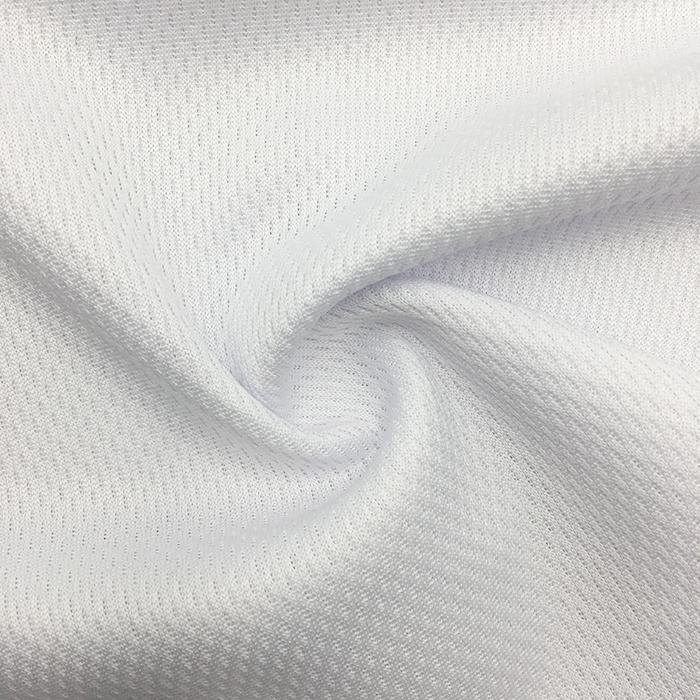

Rule 1: Wear performance fabrics — never cotton.
Cotton absorbs sweat, gets heavy, causes chafing, and destroys performance.
Instead, look for:
-
Polyester blends
-
Nylon
-
Recycled synthetics
-
Merino (cold-weather base layers)
Rule 2: Optimize for breathability + mobility.
If you feel restricted, your stride shortens → pace drops → fatigue increases faster.
Rule 3: Choose apparel based on conditions, not style.
The right clothes change depending on temperature, humidity, wind, and distance.
2. What to Wear Running in Every Temperature


Hot Weather (20°C / 68°F and above)
Wear:
-
Lightweight moisture-wicking tee or tank
-
3–5” running shorts
-
Breathable socks
-
Mesh running shoes
Avoid dark thick fabrics that retain heat.
Mild Weather (10–20°C / 50–68°F)
Wear:
-
Short sleeve or long sleeve tech tee
-
Lightweight shorts or tights
-
Optional: thin running vest
Most runners overdress here — don’t.
Cold Weather (Below 10°C / 50°F)
Wear:
-
Thermal long sleeve
-
Insulating mid-layer
-
Running tights
-
Gloves / headband
Look for merino blends or brushed synthetics.
Rainy Conditions
Wear:
-
Water-resistant shell
-
Quick-drying tops
-
Anti-chafe shorts
NEVER wear fully waterproof jackets for running — they trap heat.
3. Running Tops: What Actually Matters
Best Materials for Running Tops:
-
Polyester (lightweight + fast drying)
-
Nylon (durable + smooth)
-
Merino (temperature-regulating)
Fit Guide:
-
Should sit close to skin without clinging
-
Should not flap in wind
-
Should stretch easily through shoulders
SEO Tip: This section targets “best running shirts 2025” & “running shirt material”.
4. Running Shorts: Length, Liner, and Pockets


Shorts Length Guide:
3-inch shorts → best for speedwork, advanced runners
5-inch shorts → best all-around choice
7-inch shorts → best for casual runs or training with pockets
Should you choose a liner?
Liner = less chafe, more support.
No liner = more freedom, pairs with compression shorts.
Pocket design matters (a lot).
Back zipper pockets = best for keys/cards
Side pockets = best for daily training
No pockets = race day minimalist
5. Running Tights & Compression: What the Research Says
Compression can:
-
Reduce muscle vibration
-
Improve blood flow
-
Increase perceived stability
-
Delay fatigue at higher mileage
Look for:
-
Medium compression (not restrictive)
-
Flat seams
-
High waistband stability
6. Socks: The Most Underrated Running Gear
Choose socks that are:
-
Sweat-wicking
-
Anti-blister
-
High-density weave
-
Anatomically shaped
Merino running socks are especially elite for long-distance.
7. Layering for Performance (The 3-Layer Rule)

Layer 1: Base Layer
Regulates moisture
(Material: polyester or merino)
Layer 2: Mid Layer
Adds warmth
(Fleece, thermal knit, or brushed synthetics)
Layer 3: Shell Layer
Blocks wind or rain
(Lightweight windbreaker)
Never wear bulky layers — they restrict movement.
8. How to Choose Running Gear Based on Your Training Style
For Beginners:
-
1–2 moisture-wicking shirts
-
1 pair everyday running shorts
-
1 lightweight jacket
For Intermediate Runners:
-
Race shorts
-
Long-sleeve tech layer
-
Wind-resistant jacket
-
Compression tights
For Advanced Runners:
-
Tempo-run apparel
-
Heat / cold specific gear
-
Split shorts
-
Technical outer layers
9. Common Running Clothing Mistakes (That Kill Performance)
-
Wearing cotton
-
Choosing shirts that are too loose
-
Running in everyday gym shorts
-
Ignoring anti-chafe design
-
Wearing waterproof jackets for runs
-
Using heavy fabrics
Fixing these increases performance immediately.
10. Why Your Gear Impacts Your Identity as a Runner
Running isn’t just physical — it’s psychological.
Wearing clothing made for performance signals to your brain:
“This is what runners wear. This is who I am.”
Identity increases consistency.
Consistency increases results.
Results build confidence.
This cycle is what BALIBO is built around:
gear that supports who you’re becoming.
Closing Thought
Running feels easier when your gear works with you — not against you.
When you choose the right fabrics, fit, and layers, you remove friction, reduce fatigue, and increase the likelihood you’ll show up again tomorrow.
Better gear = better running = a better version of you.